猜您喜欢::客服申请主管的申请书-客服主管申请单 12378是什么保险公司-12378 是什么保险公司 美国大学留学研究生(美国留学研究生) 国富论读后感怎么写(读后感写法) 水浒传前三十回读后感(水浒传前三十回感) 广州美术艺考时间安排(广州艺考时间安排) 向量三点共线定理可以直接用吗-三点共线定理可用 艺术类留学国家怎么选-艺术留学国家选 黑果焖鸡用英语怎么说-Black fruit stir-fried chicken 玉环市属于浙江哪个市-玉环市属浙江省玉环县
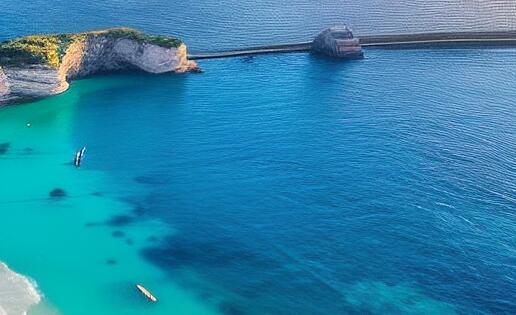
Great Barrier Reef: Does the Water Really Glow Under the Surface? Imagine walking onto a cruise ship in the Southern Hemisphere, but instead of the usual billboards for Fiji, Papua New Guinea, or Vietnam, you're being shown a documentary that feels less like a formal lecture and more like a messy, chaotic conversation between strangers arguing about pizza toppings. The camera doesn't pan smoothly from a wide shot to a detailed close-up; it zooms in, jerks slightly, then reverses to show two different angles of the same thing. The narration is slow, slightly off-key, and occasionally gets lost in the background chatter of tourists who are snapping photos with phones instead of cameras. This is the style of an English language documentary focused on the Great Barrier Reef. It's not trying to impress you with perfect grammar or high-end cinematography in a way that makes you feel smart for watching. It's actually pretty rough around the edges, but that's exactly the point. The goal is to show you the reality of the place, not to teach you a new subject matter. It's there to get you to think, to feel a little bit unsettled, or maybe even a little jealous because you know how much water is actually there, even if you can't see it clearly from the surface of the screen. The most striking thing about this approach is how it treats the environment. Usually, when documentaries talk about nature, they start with a grand explanation: "Water is wet", "Water surrounds us all", "The planet is home to thousands of species". But this one doesn't. It starts with a question. It asks the audience, "Why do you think the water in the ocean doesn't actually glow?" It uses the camera to show the deep blue tones, or even the surface color depending on the time of year, and then demands an answer. The answer doesn't come from a voice-over saying "It's just water". It comes from the people in the documentary, who might be locals, scientists, or just random tourists, pointing at rocks and talking about layers of sediment and algae that make the water look dark and mysterious. It's a conversation, not a monologue. You aren't being taught anything; you're being invited into a debate where the facts are shared, argued over, and then seemingly abandoned for a moment of pure speculation. You might be tempted to skip ahead to the part where the documentary explains something specific about coral, like how they make calcium carbonate or how their bleaching is caused by heat. But here is the thing about this kind of content: it rarely gives you a straight line of logic. Instead, it gets messy. It shows you videos where people are arguing about whether a certain coral species is extinct or just dormant. It shows clips of scientists measuring temperature readings, holding up thermometers, and having a shouting match with the people nearby. One person says, "The water is forty degrees!", and another says, "No, it's thirty!", and they don't care which is right. They care that the water is hot. The documentary mimics this back-and-forth. It doesn't resolve the conflict; it lets it burn. It shows you that science isn't a clean, tidy box in a museum, but a living, breathing mess of conflicting opinions and data points that you have to sift through yourself. Speaking of data, let's talk about the specific numbers that pop up in this kind of footage. Usually, documentaries will say something like "The reef has lost twenty percent of its coral" or "The ocean is getting twenty degrees warmer". This is standard stuff. But this documentary pulls the rug out from under you because it shows you the raw, unfiltered data. It might show a graph where the temperature bars are jagged and shaky, with error lines that get bigger and bigger as the year progresses. It shows a chart that says "Two thousand people have died in just the last decade" and immediately follows it with a clip of a family looking down at their sunk ship, crying over the broken family photos. It's not a glossy presentation; it's a human document. The numbers don't matter as much as the human cost. The documentarian shows you a survivor's story that is very personal, very raw, and very sad, and juxtaposes it with the dry statistics to make you see the scale of the tragedy. You don't learn the math; you feel the math through the eyes of the people affected. There's also a whole section dedicated to the history of the reef, but it's told very differently. Instead of starting with the geologic formation of the reef and tracing back millions of years, the documentary starts with the last great bleaching event, the 2016 event in the Great Barrier Reef that killed a quarter of the entire coral ecosystem. It shows archival footage from the early 2010s, where things were still okay, and then cuts to the present day, where the colors are gone, the structures are broken. The narration during this section is even more colloquial. It might sound like someone telling a story to a friend over a beer, using contractions and filler words that show they aren't trying to be authoritative. "You know what I mean?" they might say, looking at the screen while someone else in the audience is arguing back. "Can you imagine the confusion?" or "I honestly didn't know what to say." It creates a sense of empathy. It makes the audience feel like they are part of a long, winding journey where the past, the present, and the future are all just pieces of a puzzle that keeps shifting. The documentary acknowledges that the story isn't finished; it's waiting for us to finish reading the next chapter. One of the most interesting parts of this specific documentary style is how it deals with its own frame. The camera doesn't always stick to the same angle. Sometimes it cuts to a side profile of the narrator, sometimes it shows a close-up of a hand pointing at a rock formation, sometimes it zooms out to show the entire width of the reef from a boat's perspective. There are no consistent rules for the layout. The editing is sometimes choppy, sometimes fluid, sometimes very abrupt. It doesn't try to create a seamless visual experience like a commercial or a high-budget movie. You get a jarring sense of movement from one scene to the next. But that's what makes it feel authentic. It reminds you that you are watching a piece of media that was filmed by real people in a real place, with real lives, real emotions, and real, messy data. It strips away the polish and shows you the raw texture of the document. The final takeaway from this kind of documentary isn't about learning a new concept about the ocean or the reef. It's about changing how you watch the world. When you see a news report or a travel video, you usually expect to be taught something, to be given the facts, and to feel that you are the observer of a big, important event. But with this documentary, you become an active participant in a conversation. You feel the uncertainty, you see the conflicting opinions, you look at the raw numbers and realize their human weight. It's not a masterclass in English; it's a raw, unfiltered look at the world that shows you that even the most complex topics are just a series of arguments, data points, and human stories that don't always fit neatly into a neat box. It's rough, it's imperfect, and that's just how life is.
好文推荐::法语考研辅导班学费-法语考研辅导班收费 梦见给人接生小孩有什么预兆-梦见接生小孩预兆 英语四级成绩下载(英语四级成绩下载) 澳洲留学大概需要给中介多少钱(澳洲留学中介费用约1万) 资质荣誉图片(资质荣誉图片) 冲鸭表情包简笔画(冲鸭简笔画) 外事管理专业介绍(外事管理专业介绍) 孔板的流量计工作原理(孔板流量计原理) 防火卷帘门多少钱一个-防火卷帘门价格多少 深圳什么搬家公司最好-深圳搬家公司推荐
相关标签:
未经允许不得转载:» 景点英语纪录片-景点英语纪录片